Slow Play
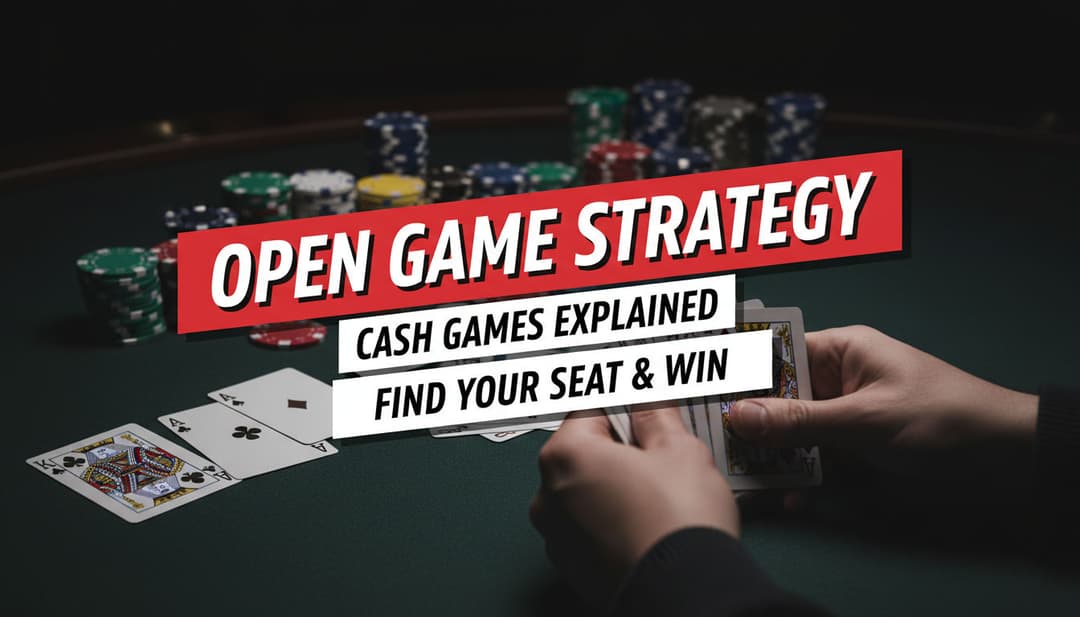
Slow playing is one of the most intriguing and often misunderstood strategies in poker. It’s a deceptive maneuver designed to conceal the strength of a powerful hand, luring opponents into committing more chips into the pot. While incredibly effective when executed correctly, it carries inherent risks that can quickly turn a winning situation into a costly mistake. For the seasoned player looking to refine their game, or the aspiring strategist aiming to add a potent weapon to their arsenal, understanding the nuances of slow play poker is paramount. This guide dissects the intricate art of slow play, offering an analytical perspective on its application, pitfalls, and mastery.
Mastering the Art of Slow Play Poker: A Deep Dive for Strategic Players
Slow play poker, at its core, is a sophisticated poker strategy where a player with a very strong hand opts for a passive approach – checking or calling rather than betting or raising – with the explicit goal of building a larger pot later in the hand. It’s a delicate balance of patience, deception, and precise timing that can unlock significant value when executed against the right opponents and on the right board textures.
Understanding the Deceptive Tactic: A Poker Slow Play Guide
The essence of slow play lies in its counter-intuitive nature. Instead of aggressively building the pot with a premium hand, you deliberately underplay it to induce action from your opponents. This passive approach is a core element of any comprehensive poker slow play guide, as it aims to:
Induce Action: Make opponents believe their weaker hands might be good, prompting them to bet or call with hands they might otherwise fold.
Disguise Hand Strength: Prevent opponents from accurately reading your hand, making it harder for them to fold to big bets on later streets.
Control Pot Size: Though counter-intuitive, sometimes slow playing early allows for greater control over escalating the pot in later, more opportune streets.
What Exactly is Slow Play?
Imagine you're dealt pocket Aces. On a flop that comes A-8-3 rainbow, a fast player might bet big. A slow player might check, hoping an opponent bets into them, or that another player catches a weaker pair or a draw on the turn/river, providing more opportunities to extract value.
When to Deploy the Slow Play Poker Strategy
Successful slow playing isn't about doing it every time you have a monster hand. It requires specific conditions to be met:
Very Strong Hands on Dry Boards: You need a hand that is unlikely to be outdrawn, like a flopped set or the nut straight on a board without many drawing possibilities. If the board is 'wet' (many draws), slow playing is extremely risky.
Against Aggressive Opponents: Players who love to bluff or bet with marginal hands are prime targets for a slow play. They're more likely to bet into your trap.
In Position: Having position on your opponents gives you the advantage of acting last. This allows you to see their actions before making your own, providing crucial information and better control over the pot.
Multiple Opponents: While not strictly necessary, having several players in the pot can increase the chances of someone hitting a secondary hand or being willing to bluff, thereby growing the pot.
Players looking to refine how to slow play effectively often benefit from practicing in online poker environments , where hand volume, table selection, and opponent tendencies make it easier to test advanced strategies in real time.
The Perils and Pitfalls: Why Slow Play Pokw Can Backfire
Despite its potential, slow play poker is a high-variance strategy. Mistakes can be costly:
Missing Value: The most common drawback. Opponents might check back, and you miss opportunities to build the pot.
Allowing Free Cards: A check can give opponents a free card to hit their draws (e.g., flush or straight draws), potentially beating your monster hand.
Losing Pot Control: If opponents hit a strong draw, they might bet bigger than you would like, forcing you into tough decisions or reducing your equity.
Misreading Opponents: Against passive or tight players, slow playing might result in a tiny pot because they'll simply fold or check along.
Executing Slow Play Flawlessly: Key Considerations
To master slow play, a player must consider several critical factors:
Board Texture Analysis: Assess whether the board is 'dry' (few draws possible) or 'wet' (many draws). Dry boards are safer for slow playing.
Opponent Profiling: Identify aggressive players, bluffs, and those likely to bet with marginal holdings. Avoid slow playing against overly tight or passive players.
Position is Paramount: Always prefer to slow play when in position. This allows you to react to your opponents' actions.
Pot Size Management: Plan how you intend to build the pot on later streets. A controlled slow play should eventually transition into aggressive value betting.
Slow Play vs. Fast Play: A Strategic Continuum
It's not about choosing one over the other; it's about knowing when to apply each. Fast play (betting and raising with strong hands) is often the default, ensuring you get value and deny equity to drawing hands. Slow play is a specialized tool for specific scenarios, typically when your hand is so strong it's almost invulnerable, and your opponents are likely to commit chips without your help.
Conclusion: The Calculated Art of Deception
Slow playing is a sophisticated layer of poker strategy that, when applied judiciously, can significantly enhance a player's profitability. Mastering how to slow play demands a keen understanding of hand strength, board dynamics, and, most importantly, opponent tendencies. By learning exactly when to slow play and recognizing the fine line between calculated risk and reckless abandon, players can transform seemingly simple situations into lucrative opportunities, cementing their status as truly formidable opponents at the poker table.
| Pros | Cons |
|---|---|
Slow playing can encourage opponents with weaker hands or draws to bet, mistakenly believing they have the best hand, thereby growing the pot. | There's a risk that opponents will also check, resulting in a smaller pot than if you had bet immediately, costing you potential winnings. |
By acting passively, you prevent opponents from easily reading the true power of your hand, making them more likely to continue in the hand. | By checking, you give opponents a free opportunity to hit their flush or straight draws, potentially turning their weaker hand into a winner. |
If successful, slow playing allows for a significantly larger pot to develop on the turn or river, leading to bigger payouts when your monster hand is revealed. | If an opponent hits a strong draw on a free card, they might make a large bet that forces you to fold or call a substantial amount, shifting pot control. |