See
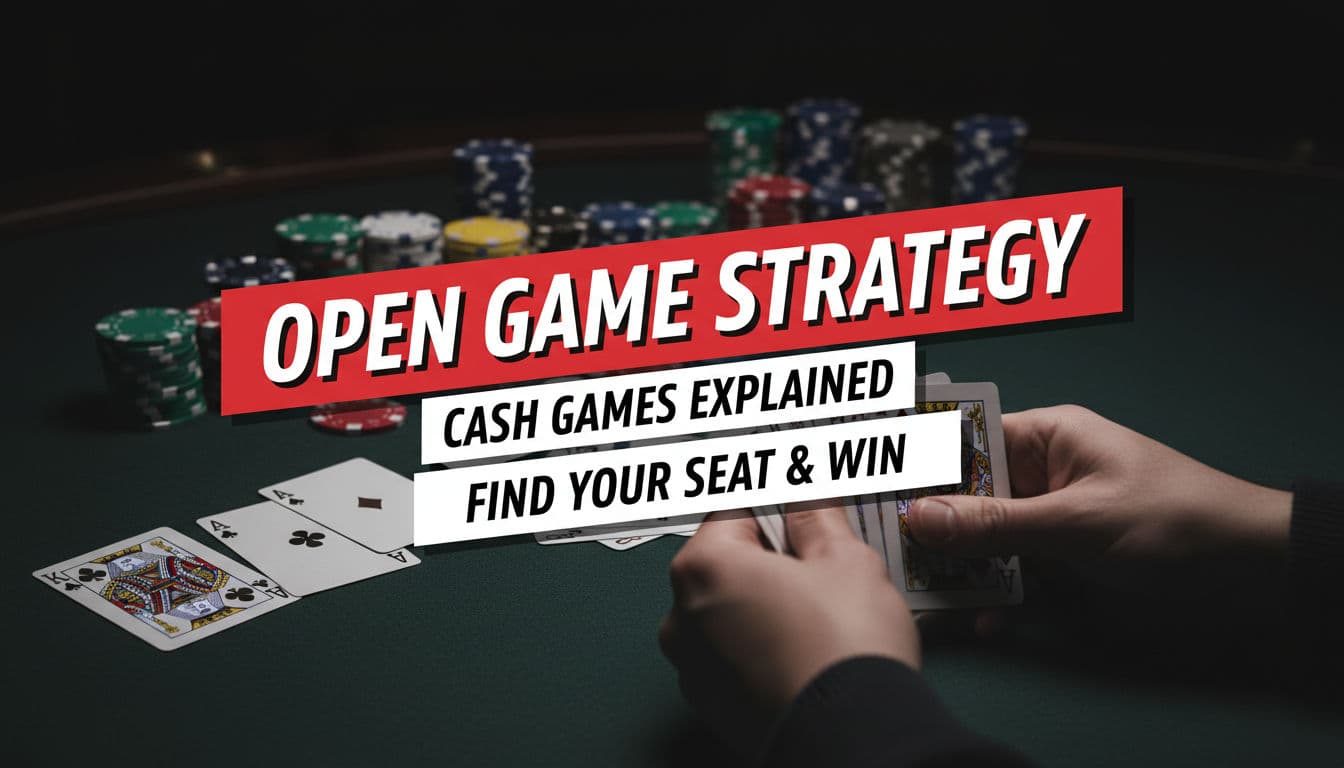
In poker slang, the term “see” is most commonly used as an informal way to say call, especially in live games. When a player says “I’ll see your bet”, they are choosing to match the current wager and stay in the hand rather than fold or raise. While the action itself may seem simple, seeing a bet carries important strategic implications, affecting pot size, opponent perception, and future decision-making. Far from being a purely mechanical move, poker calling - or “seeing” in poker slang - is often a pivotal moment that determines whether a player advances to the next street, reaches showdown, or commits chips with insufficient equity. Understanding how and when players use “see” is essential for navigating both the language and strategy of poker effectively.
Understanding "Poker Slang See": A Definitive Guide to Calling Bets
At its core, "poker slang see" refers to a bet in poker, which is the verbal or physical declaration of matching the current wager. It is universally understood as "calling", a fundamental action that allows a player to remain active in the hand without escalating the pot further. This decision often arises after an opponent has initiated a bet or raised a previous one, putting the onus on subsequent players to react.
The Mechanism of "Seeing" a Bet
When a player declares, "I'll see your bet", they are committing chips equal to the most recent wager. For instance, if an opponent bets $10, "seeing" that bet means placing $10 into the pot. This action then typically moves the game forward, either to the next betting round (e.g., from the flop to the turn) or, if it's the final betting round, to the showdown, where players reveal their hands.
Strategic Implications: Why Players "See"
The decision to "see" is rarely made in isolation; it's a strategic choice loaded with potential outcomes:
Pot Odds and Equity Realization: A primary reason to call is when a player calculates that they have sufficient pot odds to justify seeing the next card, especially when on a draw (e.g., a flush draw or straight draw). If the potential reward from hitting their draw outweighs the cost of the call, "seeing" becomes mathematically sound. It also allows players to realize the equity of their current hand.
Controlling Pot Size: Calling rather than raising can be a tactic to keep the pot relatively small, particularly with speculative or marginal hands, preventing the pot from ballooning out of control.
Information Gathering: By calling, a player often gains more information. They get to see the next community card or observe opponents' reactions on subsequent streets, which can inform future decisions.
Trapping: An experienced player might "see" a bet with a very strong hand, hoping to entice an opponent into further betting actions on later streets. This subtle play avoids scaring off opponents with an aggressive raise.
Passive Play/Weakness: Conversely, consistent calling without raising can sometimes signal weakness or a reluctance to commit a larger portion of one's stack. Opponents might interpret this as an opportunity to apply pressure.
"See" vs. Other Core Poker Fundamentals
Understanding "seeing" requires distinguishing it from other fundamental poker actions:
Folding: The antithesis of calling. Folding means surrendering the hand and any chips previously contributed to the pot, without having to match the current bet.
Raising: Instead of simply matching a bet, a raise involves matching the bet and adding an additional amount. This action increases the pot and puts pressure on opponents.
Checking: Available only when no bet has been made in the current betting round. Checking passes the action to the next player without contributing chips to the pot.
Contextual Usage and Etiquette
While "calling" is the formal term, "seeing" is deeply ingrained in poker vernacular, especially in live settings. Phrases like "I'll see your twenty" or "See you on the river" are common. It's crucial, however, that the intent is clear to prevent miscommunication or angle shooting. In casinos, a single chip moved forward without verbal declaration often constitutes a call if it's equal to or greater than the required amount, but stating "call" or "see" is always recommended for clarity.
Advanced Strategic Considerations for Poker Calling
Beyond the basics, calling poker plays a role in more intricate strategies:
Floating: Calling a bet on one street (often the flop) with the intention of bluffing on a later street (the turn or river) when in position. This requires understanding your opponent's tendencies and board texture.
Set-Mining: Calling a pre-flop raise with a small pocket pair, hoping to hit a set on the flop. The call is justified by the large implied odds if a set is hit.
Calling Station vs. Strategic Caller: A "calling station" is a derisive term for a player who calls too often, often without good reason. A "strategic caller", however, understands when and why to call, integrating it into a broader, profitable strategy. The distinction lies in the player's reasoning and the long-term profitability of their calls.
Mistakes to Avoid When "Seeing" a Bet
While a necessary action, calling can also be a leak in many players' games:
Calling Too Widely: Matching bets with hands that have poor equity or insufficient pot odds.
Calling Out of Curiosity: Paying to see the next card simply because you're curious, rather than based on sound strategic reasoning.
Calling When You Should Raise: Missing opportunities to build a larger pot with a strong hand or to exert pressure on opponents.
Calling When You Should Fold: Continuing with a hand that is clearly beaten or has little chance of improving, especially against aggressive players.
In essence, "seeing" is a cornerstone action in poker, simple in its execution but profound in its strategic implications. A master of the game understands not just how to call, but critically, when and why, balancing risk and reward to maximize their long-term advantage.
| Pros | Cons |
|---|---|
Allows players to continue in the hand to hit draws or see if their hand improves, leveraging pot odds and implied odds. | Can be interpreted as weakness, potentially inviting aggressive opponents to apply more pressure or bluff. |
Keeps the pot size manageable, preventing it from escalating too quickly with marginal or speculative hands. | Frequently calling with insufficient equity, poor pot odds, or merely out of curiosity leads to unnecessary chip losses over time. |
Provides an opportunity to see more community cards and observe opponents' reactions before committing more chips. | By not raising, a player concedes the initiative to the aggressor, giving them control over the pot's growth and betting rhythm. |
Can be used with strong hands to disguise strength and entice opponents to bet more on later streets, building a larger pot. | Calling means you cannot win the pot immediately without showing down, unlike a raise which can generate fold equity and force opponents to fold. |