
![Japan [JPN]](/assets/images/flags/1x1/jp.svg "Japan [JPN]")


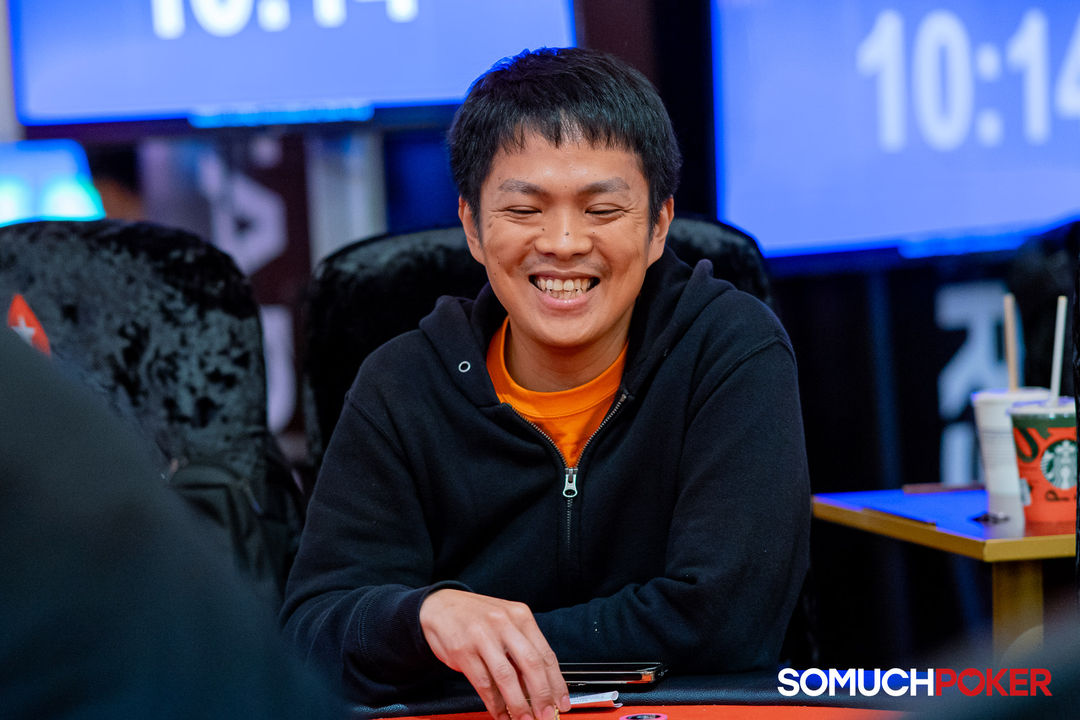
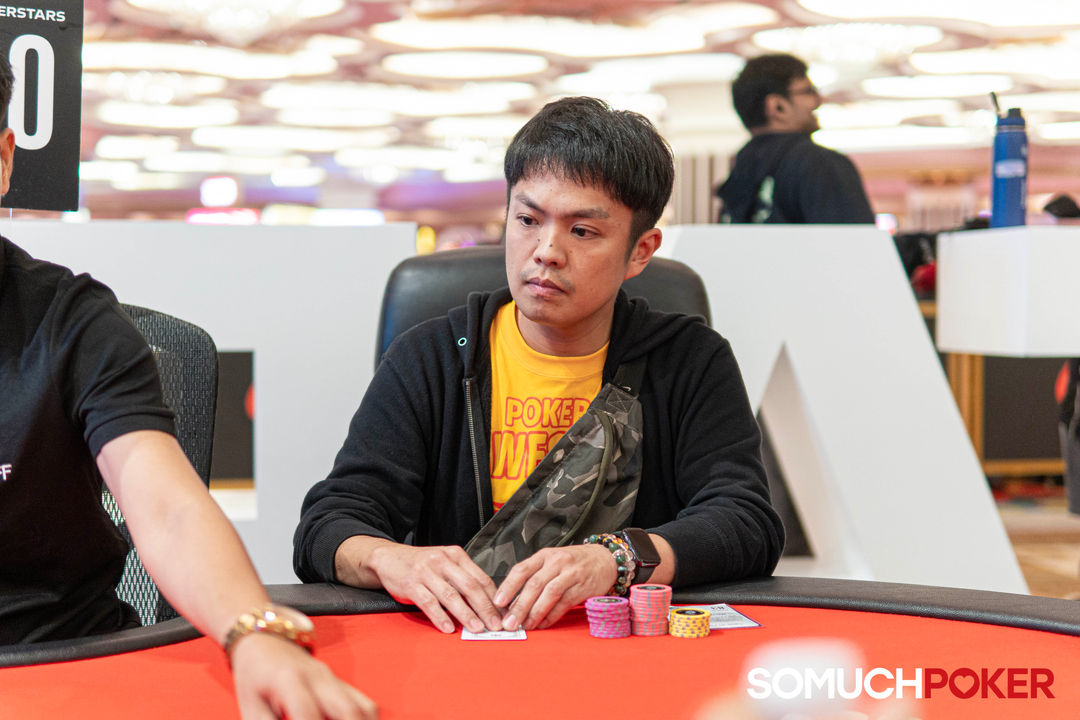
Kenzo Maruyama is a Japanese professional poker player who has become an active competitor in the Asian and Australian tournament circuits. He is recognized for his recent deep runs in major regional festivals, including the Manila Megastack and the Japan Open Poker Tour (JOPT).
Career Earnings & Biggest Results
According to The Hendon Mob, Kenzo Maruyama has accumulated total live earnings of $1,050 as of December 2025. He currently holds a Global Poker Index (GPI) rank of #164,164 and is ranked 4,448th on the Japan All Time Money List.
His career-best score came in December 2025 at the Manila Megastack 23 held at the PokerStars LIVE Manila . Competing in a field of 214 entries, Maruyama finished 11th in the ₱13,200 + 1,800 No Limit Hold’em – Deepstack event, earning ₱61,500 (∼$1,050).
Other notable results include:
- JOPT 2025 Tokyo #01 (January 2025): He finished 18th in a 293-entry No Limit Hold’em – Turbo event.
- JOPT 2023 Tokyo #03 (October 2023): He recorded a deep run in the No Limit Hold’em – Main Event, finishing 57th out of 923 entries.

Biography & Poker Background
Originally from Japan, Maruyama has established himself as a versatile player capable of navigating both domestic Japanese fields and international series in the Philippines. While he shares a name with an Australian-based player (Kenzo Maruyama, who has earned $10,126 primarily in Gold Coast and Brisbane events), the Japanese regular is part of the rising wave of players from the Tokyo scene venturing into the broader Southeast Asian market. His 2025 performance trajectory shows a dedicated focus on building a professional resume through high-volume participation in prominent regional tours like the JOPT and Manila Megastack.
Play Style & Strategy
Maruyama is known for a disciplined and tactical approach to tournament poker, particularly excelling in Deepstack and Turbo formats. His results in large-field events, such as his 11th-place finish at the Okada Manila, indicate a strong command of stack management and the tactical patience required for deep championship-level runs. By successfully transitioning between the technical, high-pressure environments of Tokyo and the international fields of Manila, he demonstrates a versatile strategy that allows him to exploit various opponent archetypes found across the Asian circuit.